
Decision Fatigue Solutions
Most advice around decision fatigue tells you to "simplify your life" or "batch your decisions." Cool. But what about the 47 decisions you have to make before lunch? The Slack messages. The client pivots. The budget calls. You can't automate leadership. You can't delegate your judgment. You need a way to recharge your decision making capacity in real time, not after you've already burned out.
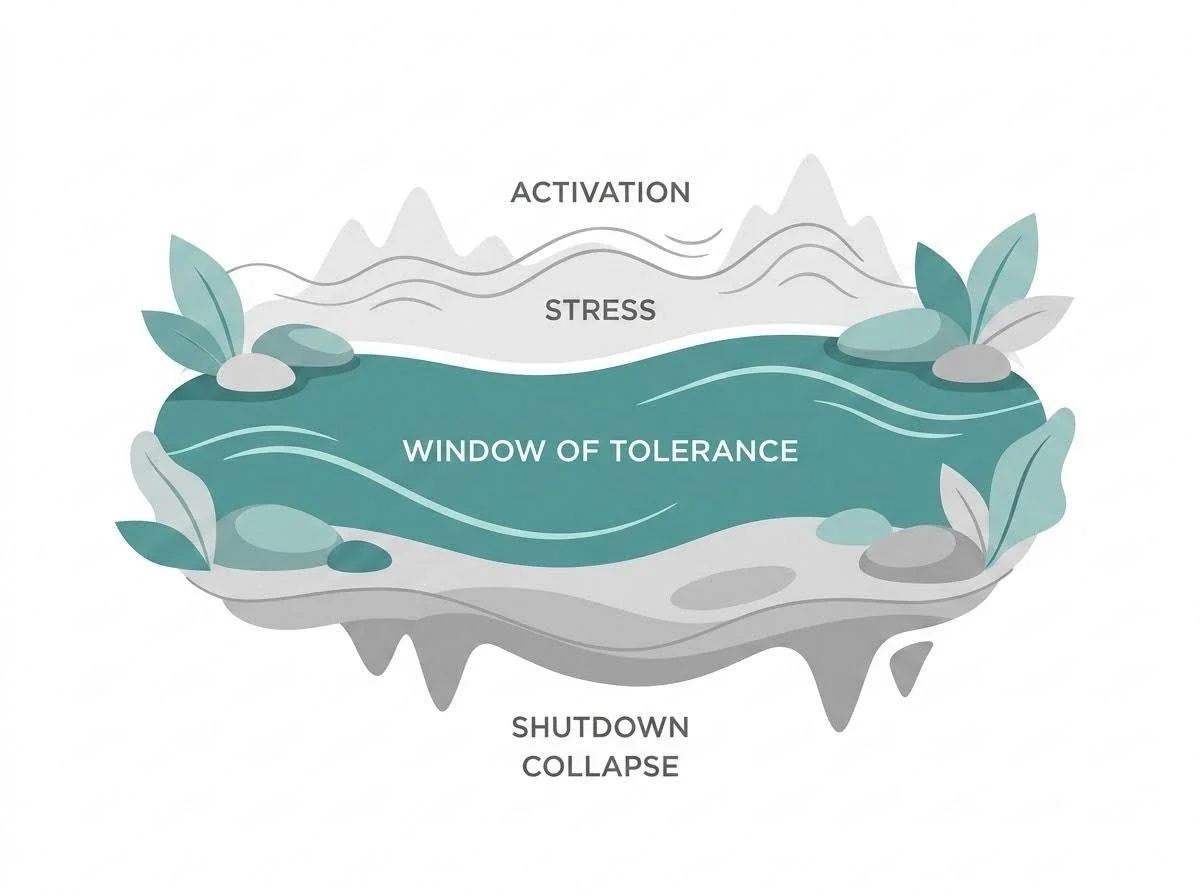
Window of Tolerance Explained
Discover how to widen your Window of Tolerance and master nervous system regulation through somatic work. Learn to recognize hyper and hypo arousal to build lasting resilience.

Public Speaking Anxiety Tips
For many high achieving professionals, the dissonance between external success and internal panic is a heavy, isolating burden to carry. True confidence in front of a room doesn’t come from perfectly memorized bullet points or repeating positive affirmations; it comes from a regulated nervous system.

Nervous System Regulation Techniques
Your nervous system doesn't speak English; it responds to physical cues that tell your body whether you're safe or under threat. That is where your vagus nerve comes in—the highway between your brain and body that controls your heart rate, digestion, and whether you're stuck in fight-or-flight. If you are struggling with anxiety, brain fog, or tension, traditional stress advice like meditation often fails because stress lives in your body, not in your head. To interrupt this stress loop, you need a science-backed, 60-second nervous system reset. This body-based approach uses three simple, somatic techniques you can do right at your desk: a 4-6 breathing pattern that triggers your vagus nerve to slow your heart rate, gentle eye movements to soften tunnel vision and orient to your environment, and grounding practices that remind your body it is safe. Drawing from neuroscience and Somatic Experiencing®, this quick reset provides lasting regulation, helping you shift from overwhelm to steadiness in under a minute. By speaking directly to your nervous system through breath, movement, and sensory awareness, you can retrain your body to stay calm, centered, and resilient, even in the middle of a chaotic workday.

Why Mindset Work Isn't Working
Most anxiety tools teach you how to manage symptoms rather than change the underlying pattern. Your nervous system doesn't speak the language of logic; it speaks the language of sensation and movement. While traditional 'top-down' approaches like affirmations focus on thoughts, somatic work uses 'bottom-up' techniques - like tracking sensations and completing survival responses - to reorganize your system, helping panic attacks subside by teaching your body that the threat is over.

Overcoming Procrastination Somatically
Stuck in a cycle of procrastination? It’s not laziness or a discipline problem - it’s a nervous system response. Learn why your body hits the 'freeze' brake, why willpower isn't the answer, and how somatic practices can help you thaw the freeze and build sustainable momentum without the burnout.

Somatic Experiencing vs. Talk Therapy
In Somatic Experiencing, there's no performance, no need to be articulate or "get it right." You're not convincing anyone of anything.
You're just noticing and in that noticing, your body gets to do what it couldn't do before - finish the response, release the charge, and find its way back to equilibrium.

Burnout Recovery for Millennials
Burnout isn't a hormone problem you can biohack your way through; it's a whole system problem where your nervous system has been running in survival mode for so long that it no longer knows how to turn off. When you've been in chronic stress, your autonomic nervous system gets stuck in a loop, treating normal life like a threat.
The issue isn't what's on your calendar. It's what's stored in your body: unfinished stress responses from every project you pushed through, every boundary you didn't set, and every moment you performed instead of rested. Because of this, a break doesn't break the cycle: a vacation might give your schedule a break, but it doesn't give your nervous system permission to stop scanning for danger.
Recovery isn't the absence of work; it's the presence of safety. The real work is teaching your nervous system that it's safe to come out of survival mode in the first place.
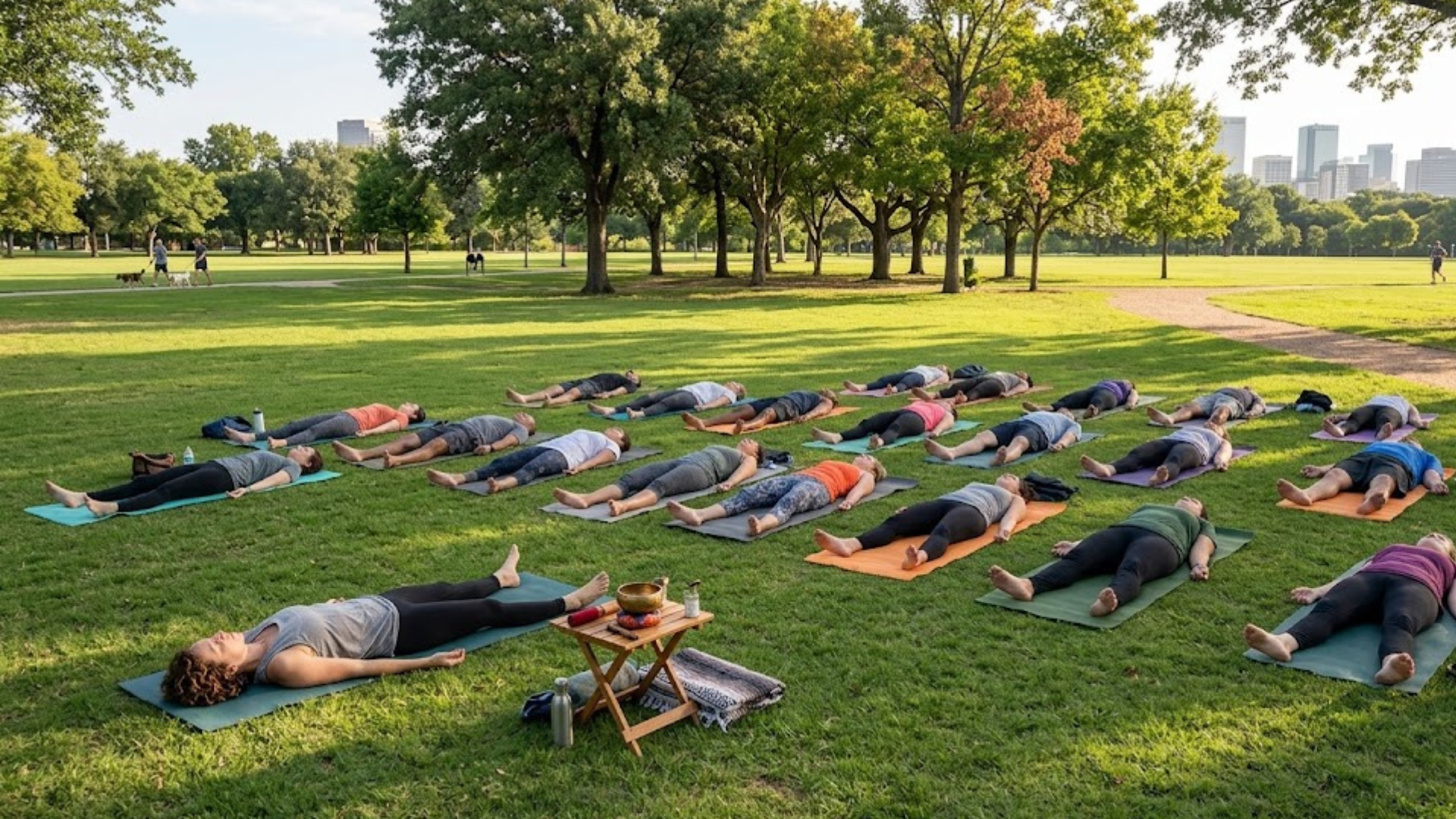
Morning Routine for Anxiety
When you start your day this way, you're not just managing anxiety, you're retraining your system to feel safe in the morning. And that safety carries forward into every decision, every interaction, every moment of your day.

Somatic Work for Entrepreneurs
The drive that got you here? The relentless work ethic, the ability to push past discomfort, the refusal to quit? That's not always ambition. Sometimes, it's a trauma response. Learn how Somatic Experiencing can help your nervous system move from survival to sustainable regulation.

Peak Performance State
The drive that got you here? The relentless work ethic, the ability to push past discomfort, the refusal to quit? That's not always ambition. Sometimes, it's a trauma response.

Somatic Experiencing with Collective Consulting
Trauma doesn't live in your thoughts. It lives in your nervous system. Learn how somatic work helps your body complete the stress cycle and finally turn off chronic anxiety.
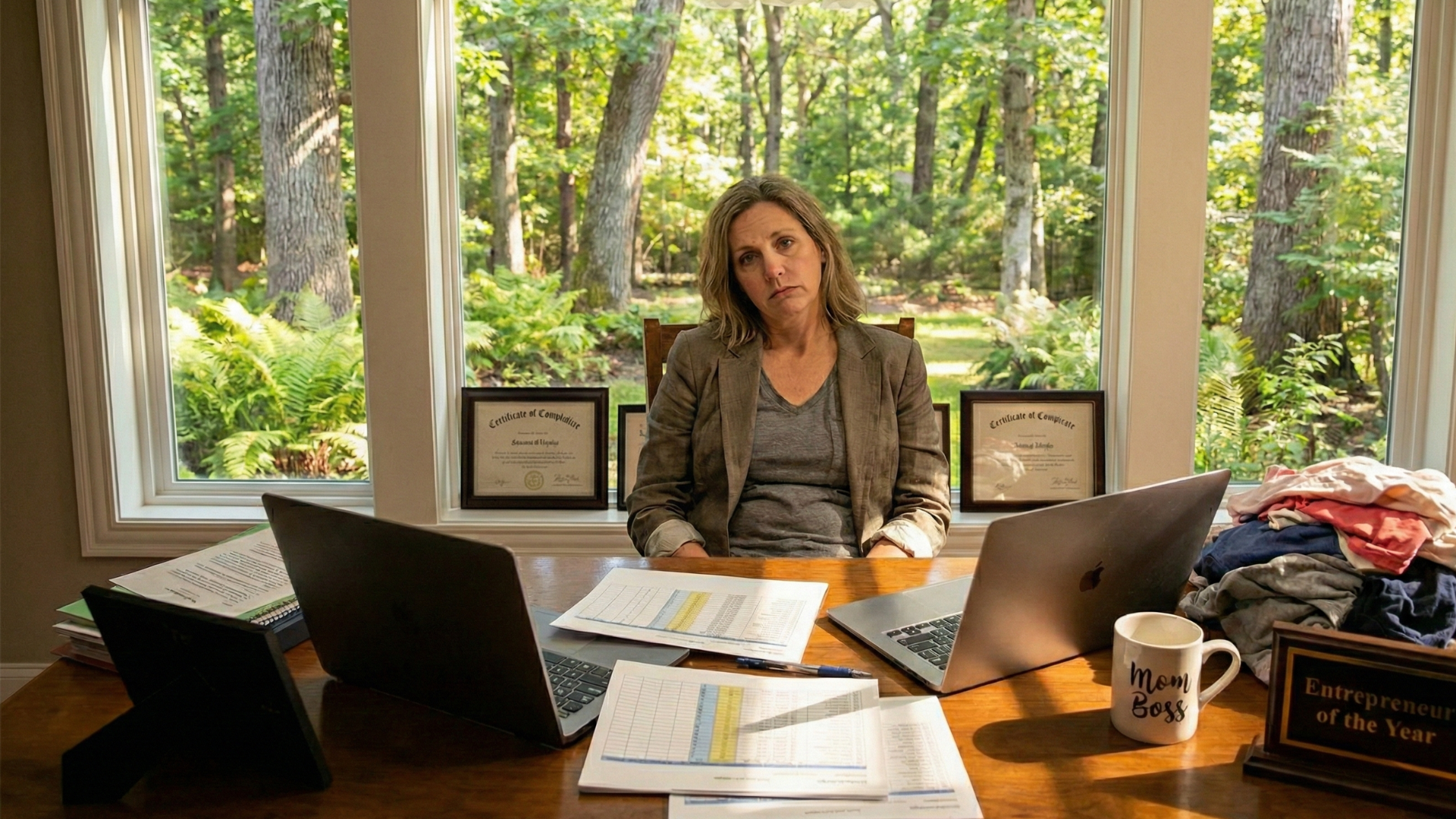
Symptoms of High-Functioning Anxiety
High-functioning anxiety doesn't always look like panic attacks or spiraling thoughts. More often, it lives in your tight shoulders. Your clenched jaw. Your poor digestion. Your restless sleep.